
Navigate Your Clinical Trial Journey
The ENACT clinical trial roadmap is here to support and guide you on each step of the journey from when you start thinking about participating in a trial to after the trial is complete.

Step 1
What is a clinical trial?
A clinical trial is a type of research study that tests new ways to prevent, find, or treat diseases or tests for the most effective and safe way to treat a condition. It might test a new medicine, device, or even a lifestyle change to see if it works and is safe.
How Clinical Trials Work

When you join a trial, you may get the new treatment being studied, or you may get the regular treatment doctors already use. This helps researchers compare the results. People are usually placed into groups by chance, so everything is fair.
Before a trial starts, it has to be reviewed and approved by experts to make sure it is safe. Everyone on the trial team must follow strict rules to protect your health and your privacy. You will be told about the risks and benefits, and you can ask questions before you decide if joining is right for you.

Step 2
Why should I participate?
Being in a clinical trial gives you the chance to get care that may include new treatments or extra health check-ups. You will still get the regular care for your condition, and you may learn more about your health along the way.
Clinical trials also help others. By joining, you are helping researchers improve treatment for future patients, including people in your own community.

Real People. Real Stories.

Gwen was diagnosed in 1988 in Washington DC after a very traumatic event on the metro system that caused her to have severe heart palpitations.
Watch the video to hear more of her story.

Step 3
Where can I learn about trials for me?
Start by asking your doctor if they know of any clinical trials that might be a good fit for you.
If you live near a medical school, university, or research hospital, they often run trials and may be able to connect you to someone who can explain what trials are available.
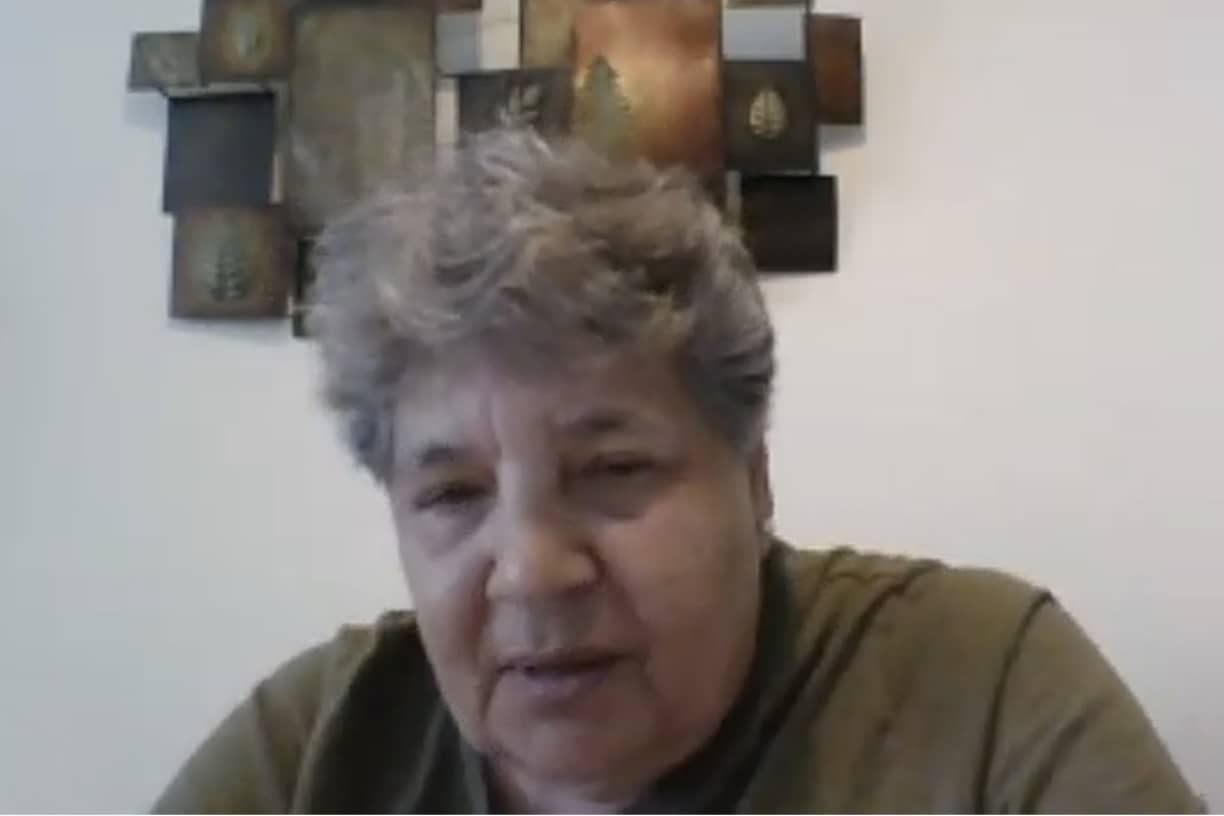
Real People. Real Stories.

“I participated in helping in the research so that others, including my kids and relatives, might benefit from it in the future.”
- Gigi Imerson

Step 4
What should I know?
Every trial is different, but most include check-ups, tests, or surveys so the research team can learn how the treatment is working. You might take medicine, follow a new care plan, or track your symptoms.

Questions You Can Ask

- What is the length of the trial (how long will it last)?
- How often will I need to be seen?
- How long will each visit take?
- What tests and procedures are involved in the trial?
- What are the risks and benefits of these tests and procedures?
- How often will I need to have the tests and procedures?
- Will these be covered as part of the trial or covered under my health care insurance or coverage?
- Will I get the results of the tests and procedures?
- Where will I be seen for visits and is there a location close to me?
- Where will tests and procedures be done?
- What are the risks and benefits of participating in this trial?
- Will I receive the results of the trial?
- Is there reimbursement for some of my costs such as mileage, travel, hotel and meals?
- Who do I contact if I have questions and concerns about the trial?
- Who do I contact with questions and concerns about my condition?

Step 5
Who will I be working with?
- Principal Investigator
- Trial Coordinator
- Treating Physician

You Will Be Working With:

Principle Investigator—The primary leader of the research study who is in charge of designing and managing the trial and making sure ethical guidelines are followed.
Trial Coordinator—The person in charge of coordinating and managing the administration of the trial. They also make sure regulations are followed.
Treating Physician—When you are in a trial, you still will be seen by your regular treating physician and should contact him or her for questions and concerns about your condition and care.

Step 6
What are some feelings people experience?
Every trial is different, but most include check-ups, tests, or surveys so the research team can learn how the treatment is working. You might take medicine, follow a new care plan, or track your symptoms.
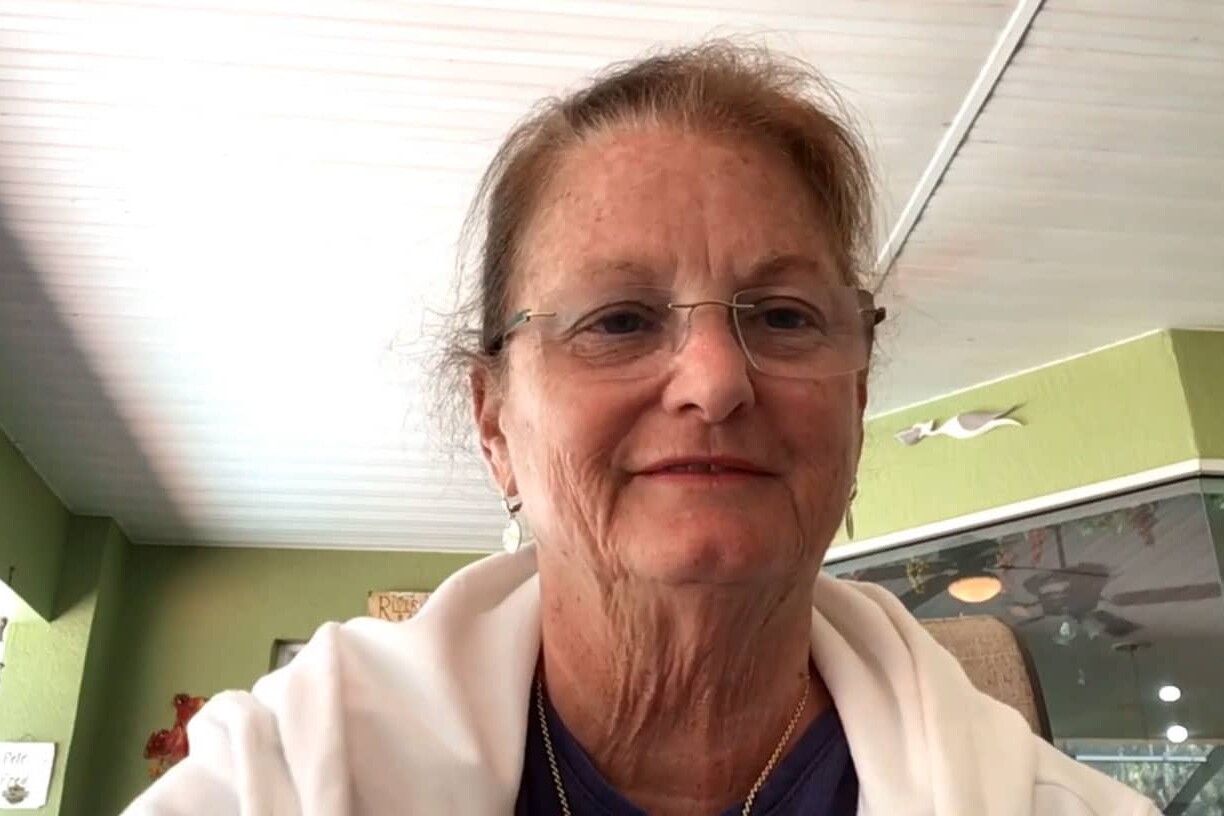
Real People. Real Stories.

“I’ve had a wonderful experience with three or four clinical trials, right here in my own town. Luckily I was able to find them through my own physician.”
- Marylou Magrino

Step 7
Why is it important to complete a trial?
Your health comes first. If you need to leave a trial, speak to the trial coordinator and other trial team members first to see if there are other options. Sometimes adjustments can be made for you to stay involved in the trial. However, you can leave a trial at any time.

If possible, complete the trial.

This helps to make sure the data is complete and correct so decisions can be made. Sticking with the trial also helps others. The information you share and the data collected could lead to better care for patients like you.
If you do decide to leave the trial, work with the trial team. They can explain how to stop safely and may ask you to do a final visit or test to help finish your part of the study.

Step 8
What are my rights?
Clinical trials are important for advancing medical science, but your safety and dignity come first. Here are your rights as a participant in any clinical study:
- Informed Consent
- Voluntary Participation
- Privacy and Confidentiality
- Know the Risks and Benefits
- Medical Care for Side Effects
- Ask Questions Anytime
- Support and Oversight
- Access to Trial Results
- Continued Access to Treatment

Real People. Real Stories.

“I was told by the Cardiologist that she was surprised that I was still alive with how severe my heart was, and that was something that I was not prepared for, but I’m grateful to have been given a diagnosis.”
- Hannah Keime

Step 9
What happens when the trial ends?
At the end of a clinical trial, participants should be informed, supported, and empowered with knowledge about what comes next. Here are some things to ask about:
- Trial results—If you don’t get information about the trial results, ask. Sometimes they will be published too. You often can find out which trial group you were in too.
- Follow up—You will want to ask about what happens after the trial. In most cases, you will return to the care you received before the trial. You may have a final health check or monitoring after the trial too.
- Feelings—Some people feel disappointed when a trial is over, especially if the drug did not get approved. Ask your trial team if there is emotional support available.
If Treatment Isn't Approved

If the drug or therapy was not approved, ask the trial team what happens next. You may not have access to the treatment, but in some cases there will be compassionate use exceptions. You will continue to receive the standard of care medical treatment even if the drug or therapy was not approved.